
Intel EN80C188XL20: The Embedded 16-bit Microprocessor Powering Industrial Systems
In the landscape of embedded computing, few processors have demonstrated the resilience and longevity of the Intel EN80C188XL20. As a specialized variant of the iconic 8088 CPU that powered the original IBM PC, this microcontroller was not designed for consumer desktops but for a far more demanding environment: industrial automation and control systems. Its enduring presence on factory floors and within critical machinery is a testament to a design philosophy prioritizing reliability, integration, and real-world performance over raw speed.
At its core, the EN80C188XL20 is a highly integrated, 16-bit microprocessor. The "80C188" denotes its membership in the Intel 188 family, which is part of the broader x86 architecture. The "XL20" suffix indicates a 20 MHz clock speed, a robust performance tier for its era. Unlike its desktop-oriented cousins, this version was engineered with embedded applications in mind. It integrates key system components—such as DMA (Direct Memory Access) controllers, interrupt controllers, and timers/counters—directly onto the silicon. This high level of integration was revolutionary, allowing engineers to design complex systems with fewer external chips. This not only reduced the overall system cost and physical footprint but, crucially, enhanced reliability by minimizing the number of potential points of failure—a paramount concern in industrial settings.
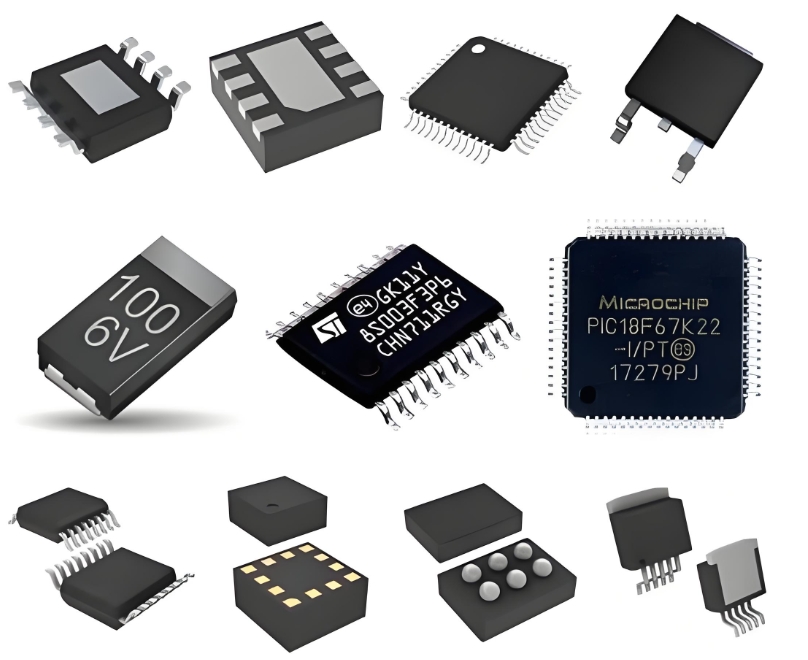
The application of the EN80C188XL20 is vast and critical. It became the computational heart of Programmable Logic Controllers (PLCs), industrial networking equipment (e.g., early routers and hubs), medical devices, and sophisticated instrumentation. These arenas demand deterministic performance and the ability to operate continuously for years, if not decades, under harsh conditions characterized by extreme temperatures, electrical noise, and constant vibration. The processor's architecture, with its efficient interrupt handling and capable I/O management, made it ideal for real-time control tasks where responding predictably to sensor inputs and controlling actuators within a strict timeframe is non-negotiable.
Furthermore, its 16-bit data bus offered a significant performance advantage over the 8-bit microcontrollers that preceded it, enabling more complex control algorithms and faster data processing without a substantial increase in power consumption or cost. This balance of capability and efficiency cemented its role during a pivotal era of industrial digitalization.
While modern 32-bit ARM Cortex-M or Intel Atom processors now dominate new designs with their orders-of-magnitude greater performance and energy efficiency, the EN80C188XL20 remains in service. Its legacy is upheld in long-lifecycle systems where design stability is valued above technological novelty. Many existing industrial installations continue to rely on this workhorse, and its familiarity to a generation of engineers ensures its support persists.
ICGOOODFIND: The Intel EN80C188XL20 stands as a landmark in embedded processing, demonstrating that success in industrial electronics is defined by integration, reliability, and deterministic performance, not just clock speed. Its decades-long service life is a powerful legacy, proving that the right technology for the job is the one that works dependably, day in and day out, for years on end.
Keywords: Embedded Systems, Industrial Automation, 16-bit Microprocessor, Real-time Control, System Integration.

